Proof coins offer an important option for numismatists. Proofs are special versions of regular circulating coins that are manufactured for sale to collectors. Precious metal bullion coins and commemorative coins are also frequently struck in proof format. Modern proofs typically have deeply mirrored, highly reflective fields and frosty white devices (portraits, dates, images, and legends). Many countries produce proof coinage; some nations have been cranking them out since the 1800s, or even longer. In the United States, proofs are struck from specially-made polished planchets and the dies are treated to generate the desired mirror fields and frosted features. Proofs are generally struck using two cycles of the coin press, to ensure all design elements have maximum detail and surface quality. The resulting coins represent “state of the art” in coin production. In recent years the US Mint has offered variations on their traditional proof format, such as “reverse proofs” which have frosted fields and brilliantly shiny and reflective devices.
Although various “specimen” coins have been produced at the Philadelphia mint from its earliest years, the first no-question proof US coins were made around 1817. The earliest example I could find on the Heritage website (www.ha.com) was an 1818 quarter, graded NGC Proof-67. This amazing coin sold at auction in 2019 for $288,000. The first copper and gold US proof coins also appeared around this time. Proof mintages during these early years were extremely small and surviving examples are few and far between.
Coin collecting in the US became much more popular around 1857 when large cent and half cent production was discontinued. The Philadelphia mint began producing annual sets of proof coins for sale to the general public starting in 1858. Clients could purchase minor coin sets (cents, two and three cent pieces, and nickels), silver sets including half dimes through silver dollars, and complete sets with gold denominations. Some proof coins could also be ordered individually. Mintage numbers were in the hundreds for most silver proofs and up to a few thousand for minor coins. For most gold proof issues only a couple dozen pieces were generally made. Classic gold proof coins from the 1800s and early 1900s have been called the caviar of numismatics, to reflect their great rarity and value.
Proof examples of each denomination (including gold coins) continued to be minted through 1915. Production was discontinued until 1936 when new 5-coin sets were produced. Proof coinage again took a break after 1942, resuming in 1950. One final break happened from 1965-1967; from 1968 on proof sets have been made every year.
Modern proof sets are plentiful. Most sets containing clad coins had mintage numbers in the millions and are often available to collectors at a cost lower than the original issue price. Modern silver proof sets have been made since 1992 and include dimes, quarters, and half dollars struck in 90% silver. These sets are priced according to their silver content; their cost went way up in early 2026 due to the huge increase in the spot price of silver. Modern proof coins are beautiful and so perfectly made that many qualify for the ultimate Proof-70 grade at major grading services. If you want super quality coins at a small price these sets will do the trick. They are especially nice as gifts for novice collectors. FNS typically purchases several dozen modern sets to be used as prizes in our Coin Safari activity for Young Numismatists, at our annual coin show.
Classic proof coins issued before 1916 can be surprisingly available. These proof coins were (obviously) made for collectors who typically took good care of them. Many of the coins produced and sold have survived in high grade. The (relatively) large population of available pieces means prices can be somewhat affordable, in some cases significantly lower than the cost of comparable mint state (business strike) pieces from the same years. If you are looking for beautiful examples of classic type coins it can make sense to go for proof coins.
As of June, 2026 it is possible to buy some classic proof coins at what might be considered affordable prices. A quick look at fixed-price listings from a major online dealer spots some potential bargains. How about a beautifully toned 1899 Indian Cent graded Proof-65 red-brown, for $750? An 1882 Three-cent Nickel in PCGS PR-66 will set you back $715. An 1881 Shield nickel in NGC PR-66 is currently priced at $850. An 1883 Seated Liberty silver dime in PCGS PR-63 can be yours for just $675. These prices aren’t exactly cheap, but considering these are extremely high-quality collector coins well over 100 years old, they will appeal to many collectors.
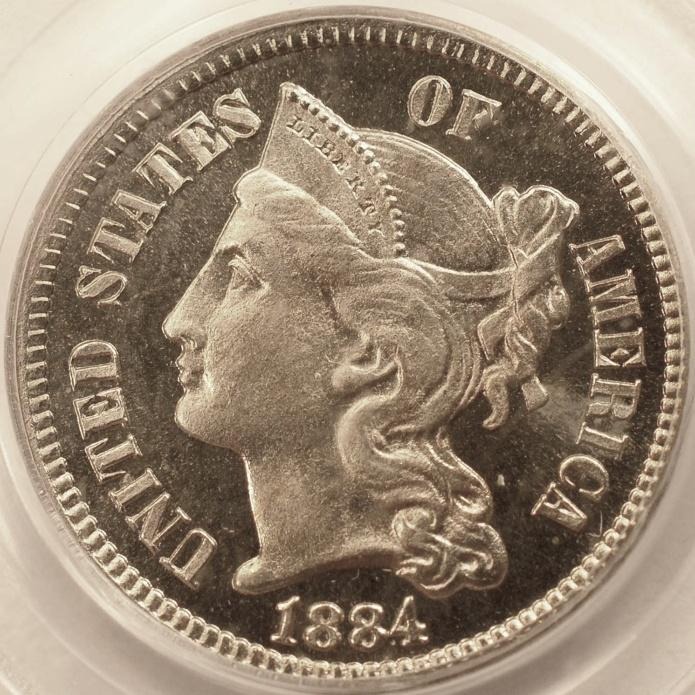
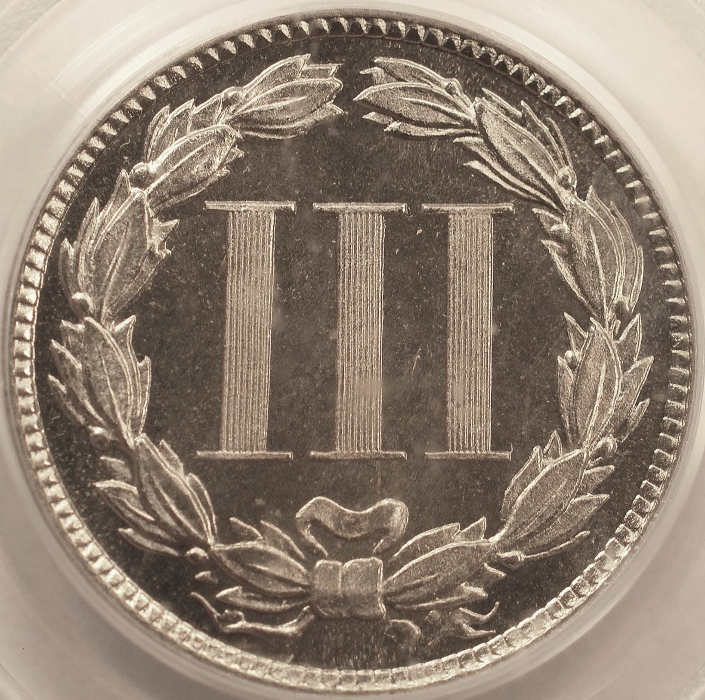
Here is an example of classic proof coinage. This is a three-cent nickel coin from 1884. The devices all show white mint frost while the fields have clear mirrored surfaces. The contrast between the dark-appearing fields and the white devices produces an effect called Cameo. In general, the greater the contrast between fields and devices, the greater the eye appeal and potential value for a buyer. This particular coin is graded PR-65 by PCGS.
In many cases a classic proof will give you a thrilling combination of beauty, quality, and that special “cool factor” that makes the piece irresistible. Sometimes they can even save you money compared to a business strike example of the same date and type. These are terrific coins that would grace any collection and are within reach of many collectors. If you prefer high quality at a much lower price, modern proofs will fit into any collecting budget. So, next time you are in the mood for some truly beautiful coins, take a look at the proofs!